From Coil to Formed Wire How Extrusion Revolutionizes Manufacturing
Understanding Wire Forming and Its Importance in Manufacturing
The Role of Wire Forming in Modern Industry
Wire forming stands as a cornerstone of modern manufacturing, providing essential components across a spectrum of industries. This process transforms raw materials into intricate shapes and forms, giving life to products that require precision and reliability. From automotive parts to aerospace components, wire forming techniques ensure that the final products meet stringent quality standards. By utilizing various methods, manufacturers can produce wire forms tailored to specific applications, enhancing both functionality and performance. The significance of wire forming lies not only in its versatility but also in its ability to adapt to evolving industrial needs, driving innovation across sectors.
Key Wire Forming Capabilities and Techniques
Wire forming capabilities encompass a broad range of techniques that allow manufacturers to create intricate designs. Common methods include bending, coiling, threading, and drawing wire into various shapes. Each technique serves a unique purpose, enabling the production of wire forms suited for specific applications. For example, coiling techniques produce coil springs, which are vital in automotive suspension systems and various machinery. Meanwhile, bending processes create hooks, brackets, and other specialized parts used in assembly. The flexibility of wire forming techniques allows engineers to prototype custom wire shapes quickly, facilitating rapid development cycles and ensuring that products meet the desired specifications.
The Evolution of Wire Forming Processes
The evolution of wire forming processes reflects the broader advancements in manufacturing technology. Early wire forming methods relied heavily on manual labor, limiting production speed and scalability. However, the introduction of automated machines revolutionized the industry. Today, computer numerical control (CNC) machines enable precise and efficient production of wire forms. These machines enhance accuracy, allowing tolerances to be maintained consistently, which is critical in high-performance applications. The continuous refinement of wire forming processes has led to improved productivity and reduced waste, making it an indispensable element in the manufacturing landscape.
The Extrusion Process: From Coil to Wire
What is Wire Extrusion and How Does It Work?
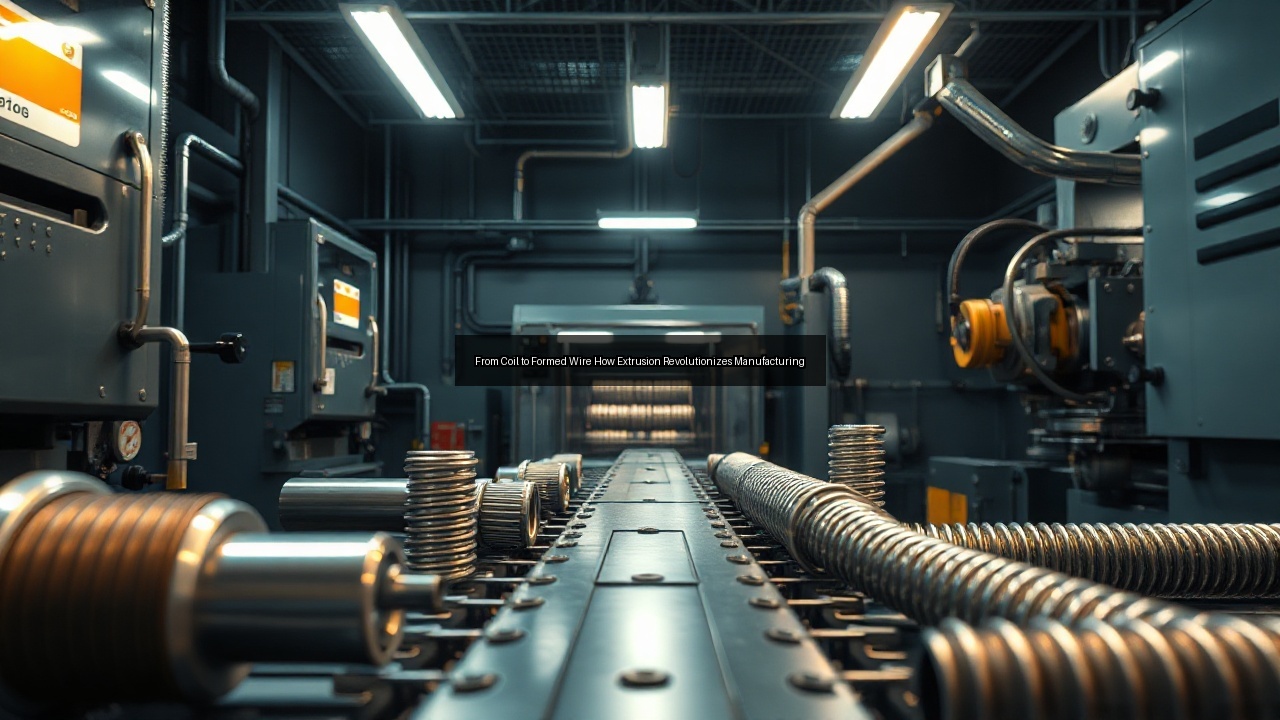
Wire extrusion is a manufacturing process that involves forcing heated metal through a die to create wire of specific shapes and dimensions. This method begins with a coil of raw material, typically stainless steel, which is heated to a malleable state. The material is then pushed through a die, forming the wire into the desired cross-sectional shape. The extrusion process not only produces long lengths of wire but also maintains uniform diameter and tolerances throughout. This consistency is crucial in applications where precise specifications are mandatory, such as in aerospace and automotive industries. Additionally, wire extrusion minimizes waste, making it an efficient option for mass production.
The Significance of Diameter and Tolerances in Extrusion
Diameter and tolerances play a pivotal role in the wire extrusion process. The diameter of the wire directly influences its strength and suitability for various applications. For instance, thicker wires may be required for heavy-duty applications, while finer wires are essential for delicate components. Maintaining tight tolerances ensures that the wire fits seamlessly into its intended assembly without compromising integrity or performance. Manufacturers often implement rigorous quality control measures to monitor these parameters throughout the extrusion process. This focus on precision not only enhances the durability of the wire but also contributes to overall product reliability.
Materials Used in Wire Extrusion: Focus on Stainless Steel
Stainless steel stands out as a preferred material in wire extrusion due to its exceptional strength, corrosion resistance, and versatility. This material is widely used in various industries, including aerospace, automotive, and construction. The unique properties of stainless steel allow for the production of wire forms that endure harsh environments without degrading. During the extrusion process, stainless steel can be manipulated into various shapes and sizes, catering to specific engineering requirements. Moreover, the recyclability of stainless steel aligns with sustainable practices, making it an ideal choice for modern manufacturing. As industries continue to prioritize efficiency and sustainability, the use of stainless steel in wire wire forming method extrusion will likely expand.
Applications of Wire Forming in Various Industries
Aerospace Applications: Precision and Reliability
Aerospace applications demand the highest level of precision and reliability, making wire forming an essential process in this industry. Components such as landing gear, brackets, and fasteners often rely on formed wire due to its strength and lightweight properties. The rigorous testing standards in aerospace necessitate that each wire form meets exact specifications and tolerances. Engineers and manufacturers collaborate closely to design and produce wire forms that withstand extreme conditions, ensuring safety and functionality. The evolution of wire forming technologies continues to enhance the performance of aerospace components, enabling advancements in aircraft design and efficiency.
The Use of Formed Wire in Coil Springs and Other Components
Coil springs exemplify a common application of formed wire in manufacturing. These components are crucial in various machines and vehicles, providing the necessary support and flexibility. Wire forming techniques allow manufacturers to create coil springs that meet varying specifications, such as load capacity and size. The ability to customize wire shapes ensures that springs can be tailored for specific applications, enhancing performance. Beyond coil springs, formed wire finds use in creating brackets, clips, and other structural components essential in machinery and automotive applications. The versatility of formed wire shapes expands its applicability across different sectors.
Engineering Innovations: Prototyping and Custom Wire Shapes
Engineering innovations rely heavily on prototyping and the ability to create custom wire shapes. Rapid prototyping techniques enable engineers to test designs quickly, allowing for iterative improvements before mass production. Wire forming processes facilitate the creation of unique wire shapes tailored to specific engineering challenges. For instance, custom wire forms can be designed to fit intricate assemblies or to provide unique mechanical properties. This adaptability accelerates the development of innovative solutions, enabling manufacturers to respond swiftly to market demands. As industries evolve, the importance of prototyping and custom wire shapes will only continue to grow.
The Future of Wire Forming and Extrusion Technology
Advancements in Computer Numerical Control (CNC) Machines
The future of wire forming and extrusion technology is closely linked to advancements in computer numerical control (CNC) machines. These machines have transformed manufacturing processes by enhancing precision and efficiency. With the integration of advanced software, CNC machines can execute complex designs with minimal human intervention. This automation reduces the risk of errors, ensuring that wire forms adhere to strict tolerances. As technology continues to advance, the capabilities of CNC machines will expand, allowing for even more intricate wire shapes and forms. This evolution will drive innovation in wire forming applications across all sectors, from automotive to aerospace.
Sustainable Practices in Wire Forming and Manufacturing
Sustainability has become a focal point in manufacturing, and wire forming is no exception. Manufacturers increasingly adopt practices that reduce waste and energy consumption during the wire forming process. Techniques such as recycling scrap material and utilizing energy-efficient machines contribute to a more sustainable manufacturing environment. Additionally, the choice of materials plays a critical role in sustainability. Stainless steel, known for its durability and recyclability, is a prime example of a material that aligns with eco-friendly manufacturing practices. As industries strive for greener solutions, the integration of sustainable practices in wire forming will enhance its appeal and efficacy.
Emerging Trends in Wire Forming Systems and Techniques
Emerging trends in wire forming systems and techniques reflect the industry's response to evolving market demands. Innovations such as additive manufacturing and hybrid processes are gaining traction, allowing for more complex wire forms and components. These advancements enable manufacturers to create lightweight structures without sacrificing strength, addressing the growing need for efficiency in various applications. Moreover, the integration of digital technologies and data analytics in wire forming processes enhances workflow and production optimization. As manufacturers embrace these emerging trends, the wire forming industry will continue to evolve, paving the way for new applications and improved performance in manufacturing.
See Also
- Unleashing Creativity in Wire Forming Techniques for Innovative Prototyping
- Exploring the Precision of Wire Forming Machines in Modern Manufacturing
- Innovative Wire Forming Techniques for Aerospace Applications
- Stainless Steel in Wire Forming Applications Why It Matters
- The Science Behind Wire Forming and Its Role in Aerospace Engineering